


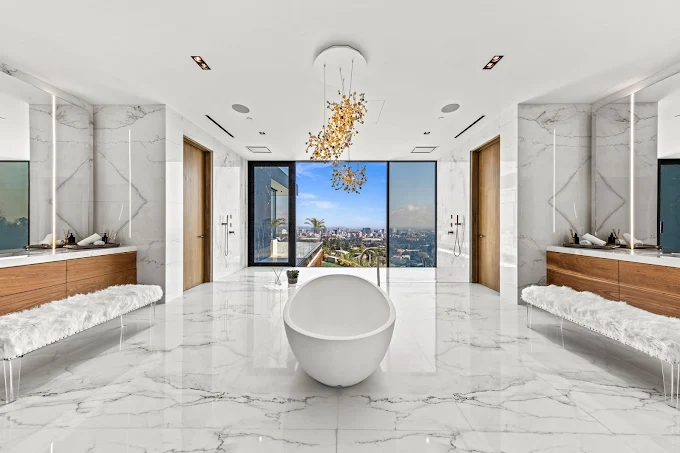
There is a quiet revolution happening inside the most expensive homes in Los Angeles. It does not announce itself with grand gestures or gilded finishes. It does not compete for attention. Instead, it arrives slowly and settles in. Through the grain of an aged oak floor, the cool surface of natural stone, the deliberate absence of unnecessary decoration. It is called Wabi-Sabi, and it is fast becoming the defining design philosophy of Los Angeles’ luxury residential market.
Table of Contents
- What Is Wabi-Sabi and Why Does It Matter for Luxury Design?
- Why Los Angeles Is the Perfect City for Wabi-Sabi Living
- The Key Principles of Wabi-Sabi Interior Design
- Wabi-Sabi and the Future of Luxury Interior Design in Los Angeles
- Frequently Asked Questions About Wabi-Sabi Interior Design
- Bring Wabi-Sabi Into Your Los Angeles Home
For a city long associated with spectacle and excess, the rise of Wabi-Sabi feels almost counterintuitive. Yet for those who understand it, the timing makes perfect sense. After years of maximalism — statement ceilings, oversized chandeliers, surfaces competing for visual dominance. The most sophisticated homeowners in Beverly Hills, Malibu, and Bel Air are turning toward something quieter, more considered, and ultimately more enduring.
“Luxury is no longer about how much you can show. It is about how deeply you can feel at home.”
What Is Wabi-Sabi and Why Does It Matter for Luxury Design?
Wabi-Sabi is a Japanese aesthetic philosophy rooted in the acceptance of imperfection, impermanence, and incompleteness. In its original context, it described the beauty found in a cracked tea bowl, a moss-covered stone, or the asymmetry of a handmade object. Applied to interior design, it translates into spaces that feel genuinely lived-in and deeply authentic — spaces where every material tells a story and every surface carries the honest mark of time and craft.
In the context of luxury residential design in Los Angeles, Wabi-Sabi represents a fundamental shift in how affluent homeowners define quality. Rather than measuring a space by its price per square foot or the brand names behind its finishes, Wabi-Sabi asks a different question entirely: Does this space feel true? Does it feel like it belongs to the person who lives in it? Does it get better with time rather than dating itself within a decade?
The answer, for a growing number of ultra-high-net-worth clients across Los Angeles, is an emphatic yes. And that shift in values is driving real change in how the city’s finest homes are designed.
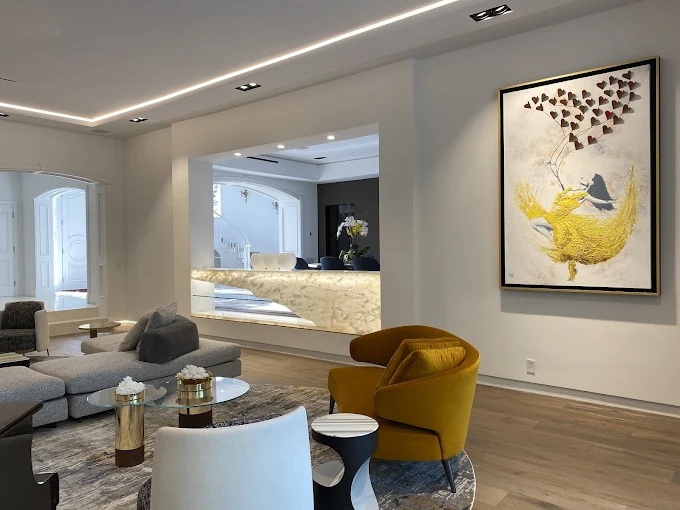
Why Los Angeles Is the Perfect City for Wabi-Sabi Living
It might seem surprising that a philosophy born in medieval Japan has found such a natural home in twenty-first century Los Angeles. But the connection runs deeper than geography. Los Angeles — particularly its coastal and hillside residential communities — offers a natural environment that Wabi-Sabi was almost made for.
In Malibu, the Pacific coastline provides an ever-present backdrop of natural beauty, weathered rock, bleached driftwood, and the constant movement of light across water. In Bel Air and Beverly Hills, the surrounding canyon landscapes and mature gardens create a setting where natural materials and organic forms feel entirely at home. The California climate — its warmth, its light, its relationship between indoor and outdoor living — creates the perfect conditions for a design philosophy that blurs the boundary between nature and architecture.
The most forward-thinking luxury interior designers in Los Angeles have recognized this alignment for some time. Rather than fighting the natural environment with polished marble and lacquered surfaces, they are embracing it — using materials that respond to their surroundings, age gracefully in the California sun, and create a sense of connection between the home and the surrounding landscape.
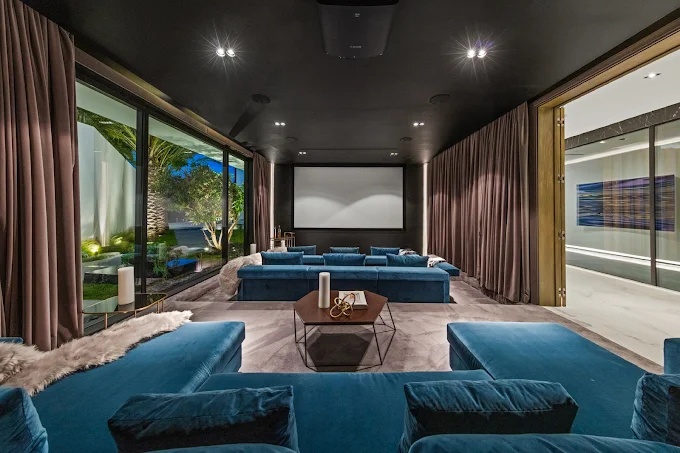
The Key Principles of Wabi-Sabi Interior Design
Understanding Wabi-Sabi as a design philosophy means looking beyond surface aesthetics and understanding the values that drive every material and spatial decision. In practice, five core principles define a true Wabi-Sabi interior.
- Natural Materials Above All Else: Stone, timber, linen, clay, rattan — Wabi-Sabi design prioritizes materials that come directly from the natural world and carry the visible marks of their origin. A slab of travertine with its natural voids intact. Reclaimed hardwood with its grain and character preserved. Handmade ceramic vessels with their slight irregularities are celebrated rather than corrected. These are the building blocks of a Wabi-Sabi interior.
- Simplicity as a Form of Sophistication: In a Wabi-Sabi home, every object earns its place. There is no decorative excess, no surfaces filled for the sake of filling them. What remains is intentional, considered, and quietly confident. This restraint is not minimalism in the cold, clinical sense — it is warmth through reduction, a space that breathes.
- The Beauty of Age and Imperfection: Where conventional luxury design seeks perfection — flawless finishes, pristine surfaces, immaculate presentation — Wabi-Sabi actively embraces the marks of time. A worn edge. A natural crack in stone. The patina of aged metal. These imperfections are not flaws to be corrected. They are evidence of authenticity and of the passage of time that give a space its soul.
- Harmony Between Inside and Outside: Wabi-Sabi design does not treat the home as separate from its natural surroundings. In Los Angeles luxury residential design, this translates into a seamless integration of interior and exterior environments. Where the materials, light, and spatial quality of the indoor living areas flow naturally into terraces, gardens, and outdoor entertaining spaces.
- Spaces That Are Personal, Not Performative: Perhaps the most important principle of all: a Wabi-Sabi home should feel like it belongs to the person who lives in it. Not a showpiece. Not a statement. A genuine, deeply personal environment that reflects a way of living rather than a level of spending.

Contact Now and Start to build your dream home with Ali Rad Design.
Wabi-Sabi and the Future of Luxury Interior Design in Los Angeles
The growing influence of Wabi-Sabi in the Los Angeles luxury market is not a passing trend. It reflects a deeper and more permanent shift in how ultra-high-net-worth homeowners think about their living environments. For a generation of clients who have already achieved everything that conventional luxury can offer, the question is no longer “how impressive does this look?” but “how does this feel?”
This shift is creating real demand for a specific kind of luxury interior designer in Los Angeles. The one who understands not just design aesthetics, but the philosophical framework behind them. Designers who can source materials from around the world with the precision of an architect and the sensitivity of a craftsman. Designers who understand how a Beverly Hills estate, a Malibu beach house, and a Bel Air private residence each demand a different expression of the same underlying philosophy.
The firms leading this movement — those genuinely committed to Wabi-Sabi as a design philosophy rather than as a visual trend — are producing some of the most remarkable residential interiors Los Angeles has seen. Homes that photograph beautifully but feel even better in person. Spaces that seem to improve with every passing season. Interiors that will look as right in twenty years as they do today.
Frequently Asked Questions About Wabi-Sabi Interior Design
What is Wabi-Sabi interior design?
Wabi-Sabi interior design is an approach rooted in a Japanese philosophy. It celebrates natural materials, imperfection, simplicity, and the beauty of age. In a luxury residential context, it produces spaces that feel deeply authentic and personal rather than merely expensive — where natural stone, aged timber, and handmade objects are valued for their character and the stories they carry.
Is Wabi-Sabi design suitable for luxury homes in Los Angeles?
Yes — and in many ways, Los Angeles is the ideal city for Wabi-Sabi living. The natural landscape of Malibu, Beverly Hills, and Bel Air provides the perfect backdrop for a design philosophy rooted in nature, organic materials, and the relationship between indoor and outdoor environments. The California climate and culture of outdoor living align naturally with Wabi-Sabi principles.
How is Wabi-Sabi different from minimalism?
While both Wabi-Sabi and minimalism value simplicity and restraint, they come from very different places. Minimalism tends toward the cold, precise, and geometric — perfection through reduction. Wabi-Sabi is warmer, more organic, and actively embraces imperfection. A Wabi-Sabi interior feels lived-in and human. A minimalist interior often feels clinical. The key difference is warmth.
Which materials are typically used in Wabi-Sabi interior design?
Wabi-Sabi interiors favour materials that come from the natural world and age gracefully over time. Common choices include natural stone (travertine, limestone, slate), reclaimed hardwoods, hand-plastered walls, linen and cotton textiles, aged metals, raw ceramics, and rattan. The emphasis is always on authenticity — materials that feel honest and carry the visible marks of their origin and age.
How do I find a luxury interior designer in Los Angeles who specializes in Wabi-Sabi?
Look for a luxury interior designer in Los Angeles with a portfolio that demonstrates a genuine commitment to natural materials, integrated indoor-outdoor design, and a restraint that goes beyond surface aesthetics. Ali Rad Design is one of the few firms in Los Angeles that applies Wabi-Sabi philosophy as a core design principle across all projects — from Beverly Hills estates to Malibu coastal homes.
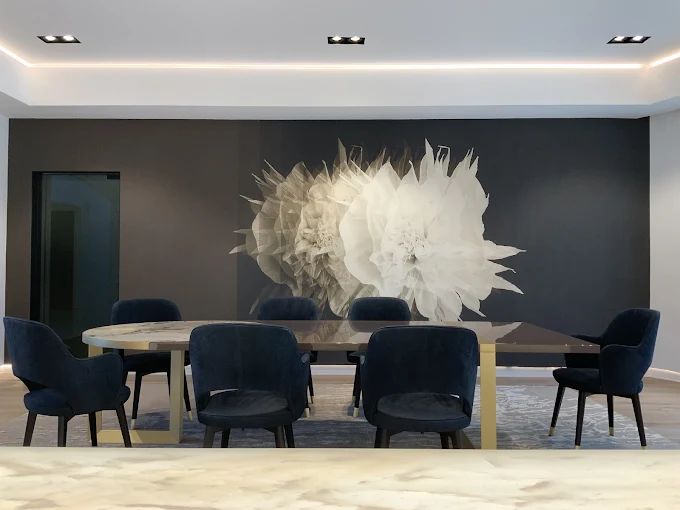
Bring Wabi-Sabi Into Your Los Angeles Home
If you are considering a luxury interior design or architecture project in Los Angeles — whether in Beverly Hills, Malibu, Bel Air, or beyond — and you are drawn to the idea of a home that feels genuinely extraordinary rather than simply expensive, Wabi-Sabi design may be exactly the direction your project needs.
Ali Rad Design is a leading luxury interior designer in Los Angeles, specializing in high-end residential interior architecture and design across Beverly Hills, Malibu, and Bel Air. With 15+ years of experience and 200+ completed luxury projects, the firm brings a rare combination of architectural precision and aesthetic sensitivity to every project it undertakes. Visit aliraddesign.com, email Ali@aliraddesign.com, or call (323) 304-4682 to schedule a private consultation today.


