



Calgary homeowners know that severe weather can arrive quickly, especially during Alberta’s summer storm season. Large hailstones, strong winds, and sudden temperature changes can affect residential roofing systems, sometimes causing damage that is not immediately visible. Understanding the hail damage roof repair process can help homeowners make informed decisions after a storm. From spotting warning signs to navigating insurance requirements, knowing what to do can keep minor issues from becoming expensive repairs.
Table of Contents
- Why Hail Can Cause Serious Roof Problems in Calgary
- Signs of Hail Damage on a Roof Calgary Homeowners Should Know
- What Should You Do After a Hailstorm?
- How Does Hail Damage Roof Repair Work?
- Understanding the Hail Damage Insurance Claim Roof Process
- Steps Involved in a Roof Insurance Claim
- How to Protect Your Roof After Hail Damage Repair
- Schedule Routine Roof Inspections
- Maintain Gutters and Drainage Systems
- Monitor Your Roof After Future Storms
- Frequently Asked Questions
- How can I tell if my roof has hail damage?
- Does hail damage always require a complete roof replacement?
- How long do I have to file a hail damage insurance claim?
- Can hail damage cause roof leaks immediately?
- What should I do if I notice hail damaged shingles?
- Are older roofs more vulnerable to hail damage?
- Conclusion
Why Hail Can Cause Serious Roof Problems in Calgary
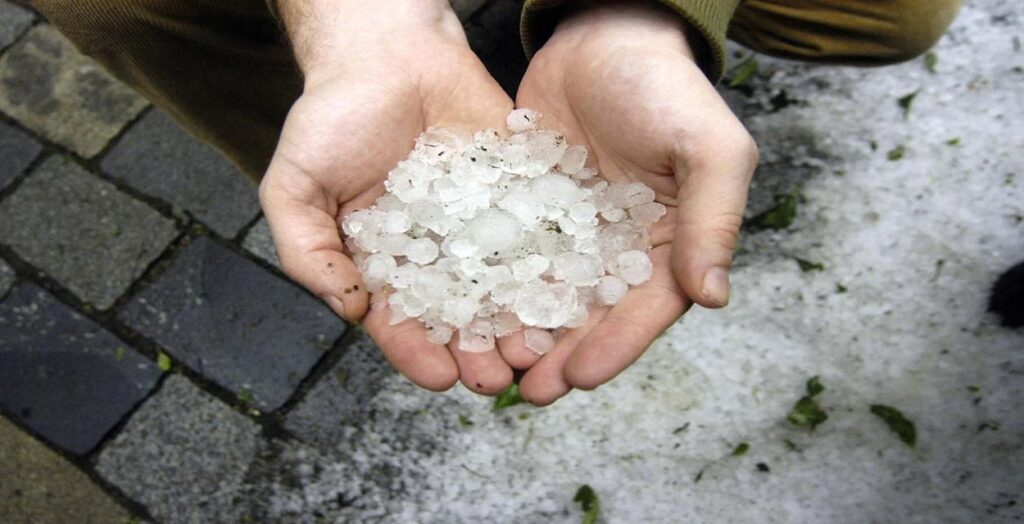
Calgary is located in a region where hailstorms are a recurring seasonal concern. During intense summer storms, hail can strike roofing materials at high speeds, affecting shingles, flashing, vents, gutters, and other exterior components. Asphalt shingles are especially vulnerable because they rely on protective granules and layered materials for weather resistance. A single storm may not cause immediate leaks, but repeated exposure after impact damage can shorten a roof’s lifespan.
Common effects of hail include:
- Loss of protective granules from shingles
- Cracks or splits in roofing materials
- Soft areas caused by impact damage
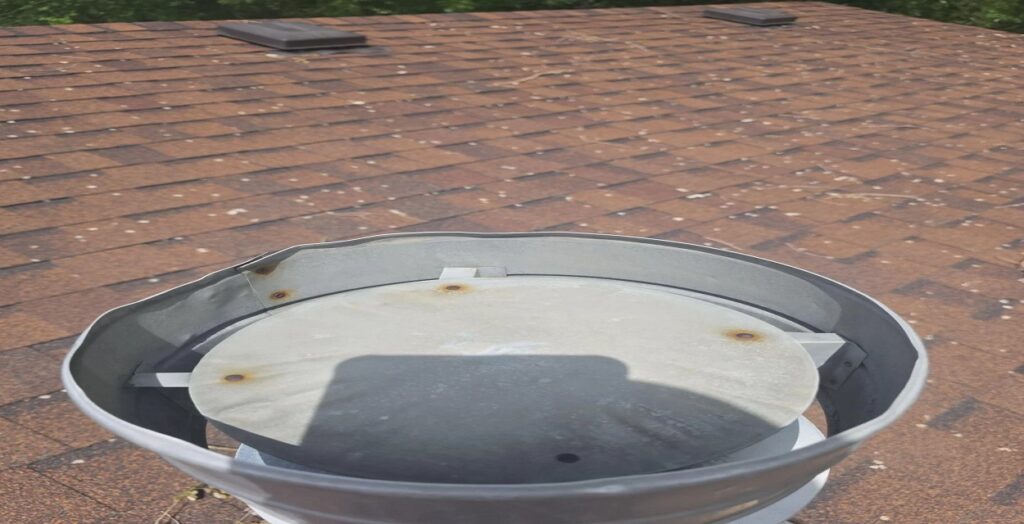
- Damage around roof edges, vents, and flashing
- Reduced protection against rain, snow, and freezing temperatures
A professional assessment matters because some damage is hard to spot from the ground. A roof may look normal but still have weakened areas that affect long-term performance.
Signs of Hail Damage on a Roof Calgary Homeowners Should Know
Identifying damage early can help reduce the chance of water intrusion and costly repairs. Homeowners should look for the following indicators after a major storm.
1. Missing or Reduced Shingle Granules
Granules protect shingles from ultraviolet exposure and weather conditions. When hail removes these particles, it exposes the underlying material. Granules may collect in gutters or appear around the foundation after heavy storms.
2. Circular Impact Marks or Bruised Areas
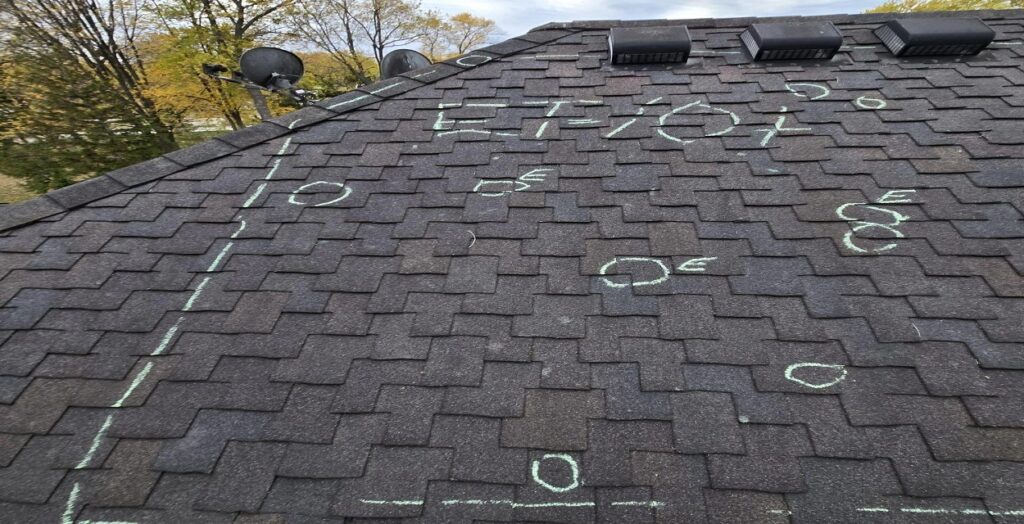
One of the most common signs of hail damage on a roof is the presence of small circular depressions, bruised areas, or soft spots on shingles. These marks may not always be visible from the ground, so a professional inspection is valuable.
3. Cracked or Split Roofing Materials
Large hailstones can create cracks that allow moisture to penetrate the roofing system. These problems may become more noticeable after rainfall or during Calgary’s freeze-thaw cycles.
4. Interior Water Stains
Dark marks on ceilings, damp insulation, or moisture in the attic may indicate that storm damage has affected the roof’s ability to keep water out.
What Should You Do After a Hailstorm?
Taking the correct steps after a storm can make the repair process smoother and help document damage properly.
Step 1: Inspect Your Property Safely
Start with a ground-level assessment. Check for:
- Damaged siding
- Dented gutters
- Fallen shingle pieces
- Exterior impact marks
Avoid walking on the roof because damaged shingles may be fragile and slippery.
Step 2: Document Visible Damage
Take clear photos and videos of:
- Roof areas visible from the ground
- Damaged exterior materials
- Date and timing of the storm
This documentation can support discussions with insurance providers.
Step 3: Arrange a Professional Roof Inspection
A qualified roofing professional can identify damage that homeowners may miss. A detailed inspection report can also provide useful information when reviewing repair options. Advanced Level Roofing’s hail damage guide highlights the importance of proper documentation and professional assessment when dealing with storm-related roofing concerns.
How Does Hail Damage Roof Repair Work?
The repair process depends on the damage severity, roof condition, and insurance assessment.
Roof Inspection and Damage Evaluation
The first stage involves examining the entire roofing system. Professionals assess shingles, flashing, ventilation components, and other hail-affected areas.
Repair or Replacement Decision
Not every storm requires a complete roof replacement. Minor damage may only require targeted repairs, while widespread impact damage may require replacing larger sections of the roof.
Completing the Restoration Work
Once the repair plan is confirmed, qualified professionals can remove damaged materials and replace them according to applicable manufacturer recommendations and Alberta requirements. A proper restoration process should focus on restoring protection, improving durability, and preventing future problems.
Understanding the Hail Damage Insurance Claim Roof Process
After a significant hailstorm, many Calgary homeowners begin the insurance process to determine whether storm-related repairs are covered. Understanding how this process works can help you avoid delays and ensure you have all necessary information ready.
The roof insurance claim process for hail damage usually begins with documenting the damage and contacting the insurance provider. The insurer may arrange an adjuster inspection to assess the extent of the storm damage and determine coverage based on the policy terms.
Steps Involved in a Roof Insurance Claim
1. Report the Damage
Contact your insurance provider after discovering possible storm damage. Provide accurate information about when the hailstorm occurred and what areas of the property appear affected.
2. Schedule an Assessment
An insurance adjuster may inspect the roof to evaluate whether the damage qualifies under your policy. A professional roofing inspection can provide additional information about the condition of hail damage roof repair in Calgary.
3. Review the Claim Decision
Once the assessment is complete, the insurer will explain the approved coverage and next steps. Homeowners should ask questions if they are unsure about repair recommendations, costs, or claim details.
How to Protect Your Roof After Hail Damage Repair
Once repairs are completed, regular maintenance can help extend the life of your roofing system and reduce future risks.
Schedule Routine Roof Inspections
Annual inspections can identify developing concerns before they become major problems. This is especially helpful after Calgary’s severe weather seasons.
Maintain Gutters and Drainage Systems
Blocked gutters can contribute to water buildup and moisture problems. Keeping drainage systems clear helps direct rain and melting snow away from the roof.
Monitor Your Roof After Future Storms
After another hail event, check for visible changes such as damaged exterior components, fallen materials, or water-related concerns inside the home.
Frequently Asked Questions
How can I tell if my roof has hail damage?
Common indicators include missing granules, dents in shingles, cracked roofing materials, damaged gutters, and water stains inside the home. Some problems may not be visible from the ground, so a professional inspection is often recommended after a severe hailstorm.
Does hail damage always require a complete roof replacement?
No. The required solution depends on the extent of the damage, roof condition, and material lifespan. Minor issues may only require repairs, while widespread damage may require larger restoration work.
How long do I have to file a hail damage insurance claim?
The timeframe depends on your insurance provider and policy requirements. Homeowners should review their coverage documents and contact their insurer as soon as possible after discovering storm damage.
Can hail damage cause roof leaks immediately?
Sometimes, but not always. Some damage weakens roofing materials without creating immediate leaks. Over time, exposure to rain, snow, and freezing temperatures can allow moisture to enter through damaged areas.
What should I do if I notice hail damaged shingles?
Avoid disturbing the affected area and arrange a professional inspection. A roofing specialist can determine whether repairs are needed and recommend the right solution based on the roof’s condition.
Are older roofs more vulnerable to hail damage?
Older roofs can be more susceptible because roofing materials naturally lose flexibility and protective qualities over time. However, damage depends on several factors, including storm intensity, roof material, and maintenance history.
Conclusion
Hailstorms are a reality for many Alberta homeowners, and roof damage can affect both a property’s appearance and its protection. Understanding how to identify issues, document damage, and arrange professional repairs helps homeowners respond confidently after severe weather. Whether dealing with minor impact marks or widespread storm damage, timely action can keep small concerns from becoming expensive repairs. Regular inspections, proper maintenance, and informed decision-making are essential for maintaining a strong roofing system.
Need professional help after a Calgary hailstorm? Visit the Google Maps listing to find the roofing team’s location and connect with local professionals for a detailed assessment of your roof.


