


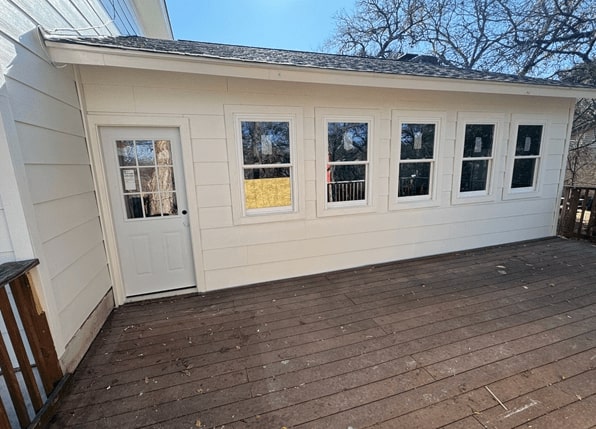
Choosing a reliable siding replacement company in Austin requires careful consideration of experience, materials, installation standards, pricing, warranties, and customer feedback. Homeowners should review written estimates, verify credentials and insurance, understand the project timeline, and ask how the exterior will be prepared. Comparing contractors based on quality, communication, and overall value can help ensure a well-planned siding replacement project that enhances the home’s appearance and exterior protection.
Table of Contents
- Assess Experience With Siding Replacement Projects
- Verify Licensing, Insurance, and Professional Credentials
- Look Closely at the Proposed Siding Materials
- Request a Detailed Written Estimate
- Ask How the Exterior Will Be Inspected Before Installation
- Evaluate Installation Practices, Not Just Materials
- Review Previous Work and Customer Feedback
- Understand the Project Timeline
- Review Warranty and After-Installation Support
- Compare Contractors Based on Value
- Make an Informed Decision Before Work Begins
- Conclusion
Assess Experience With Siding Replacement Projects
One of the first things to evaluate is the contractor’s experience with siding replacement rather than simply general construction work. Siding requires careful attention to measurements, material compatibility, flashing, trim, openings around windows and doors, and installation specifications.
Ask how long the company has been performing siding projects and request examples of completed homes that are similar in size or style to yours. A contractor should be able to explain how the existing siding will be removed, how the exterior will be evaluated, and how the new material will be installed.
Local experience can be especially valuable. Homes in the area face strong sunlight, temperature changes, heavy rain, and occasional severe weather. A contractor familiar with siding on properties in Austin, TX, can recommend suitable materials and installation methods based on local conditions rather than using a one-size-fits-all approach.
Verify Licensing, Insurance, and Professional Credentials
Before signing an agreement, homeowners should ask about applicable licensing, insurance coverage, and professional credentials. These details help establish whether a contractor operates professionally and has appropriate protections in place.
Insurance is particularly important because exterior siding work involves ladders, tools, elevated work areas, and material handling. Homeowners should understand what coverage the contractor carries and whether subcontractors are appropriately covered when applicable.
Manufacturer relationships and industry credentials can also provide useful information. However, homeowners should treat credentials as one part of the evaluation rather than assuming an award, membership, or certification automatically guarantees workmanship.
A qualified siding contractor in Austin, TX, should be comfortable answering questions about qualifications, installation practices, warranties, and project responsibilities.
Look Closely at the Proposed Siding Materials
Not every siding material performs the same way or provides the same appearance. Homeowners should compare options based on durability, maintenance requirements, style, installation requirements, and overall project cost.
Consider James Hardie Fibre Cement Siding
Fibre cement is designed to provide a durable exterior surface while offering a range of profiles, textures, and colours. James Hardie fibre cement siding is one option homeowners may want to evaluate when planning a replacement project.
Before choosing a material, ask the contractor:
- What siding materials are suitable for the property?
- How does each option handle local weather conditions?
- What maintenance will be required?
- What manufacturer warranty applies?
- What installation requirements must be followed?
- How will trim, corners, windows, and other transitions be finished?
A reputable contractor should explain the advantages and limitations of each option instead of pushing a particular product without considering the home.

Request a Detailed Written Estimate
A written estimate should provide more than a single project price. It should help the homeowner understand exactly what is included.
A detailed proposal from a siding replacement company in Austin may identify the siding material, estimated quantities, labour, preparation, removal of existing materials, trim, finishing work, disposal, and other applicable project components. It should also explain payment expectations and any circumstances that could affect the final cost.
Homeowners should be cautious when an estimate is unusually vague. A low starting price may not represent the complete project if important work is excluded from the initial scope.
The goal is not necessarily to find the cheapest quote. Instead, compare proposals based on the scope of work, materials, installation standards, communication, warranty terms, and overall value.
Ask How the Exterior Will Be Inspected Before Installation
Siding replacement is not simply a matter of taking old panels off and attaching new ones. Once existing siding is removed, the underlying exterior may reveal areas that require attention before new material can be installed properly.
Ask whether the contractor will inspect the sheathing and surrounding areas during the replacement process. Understanding how unexpected conditions are handled can prevent confusion later.
The contractor should also explain what happens if previously concealed issues are discovered. A clear process for documenting additional work and obtaining Austin homeowner approval can make the project easier to manage.
This type of preparation is especially important for residential siding installation, where proper exterior preparation can influence the appearance and long-term performance of the finished siding system.
Evaluate Installation Practices, Not Just Materials
High-quality siding can still perform poorly if it is installed incorrectly. Installation details can affect moisture management, appearance, durability, and manufacturer warranty requirements.
Ask prospective contractors how they handle:
- Wall preparation
- Moisture management
- Flashing around openings
- Window and door transitions
- Corner and trim installation
- Panel or plank spacing
- Fastener placement
- Caulking and finishing
- Final inspection and cleanup
A professional contractor should be willing to explain the installation process in understandable language.
When comparing exterior siding installation Austin options, homeowners should pay attention to how much detail each contractor provides. Clear answers often indicate that the company has a defined process rather than relying on improvised decisions once work begins.
Review Previous Work and Customer Feedback
Photos of completed projects can help homeowners assess workmanship, but they should not be the only source of information. Look for projects that demonstrate attention to detail around windows, doors, rooflines, corners, and transitions between different exterior materials.
Customer reviews can provide additional insight into communication, scheduling, cleanliness, professionalism, and how the contractor handles questions throughout a project.
At the same time, homeowners should evaluate reviews critically. A large number of reviews does not automatically mean a contractor is the right fit. When comparing a siding installation company in Austin, homeowners should look for consistent feedback, look for consistent feedback on workmanship, communication, and project quality rather than relying on one unusually positive or negative comment.
A company such as Genuine Texas Exteriors presents completed siding projects, customer feedback, and information about its siding process to help homeowners understand the type of work involved.
Understand the Project Timeline
Siding replacement can take different amounts of time depending on the home’s size, existing exterior, material selected, weather, preparation requirements, and project complexity.
Rather than accepting a generic promise about completion, ask for an estimated schedule. Find out when material delivery is expected, when installation will begin, how long the work may take, and what could cause delays.
A reliable contractor should communicate schedule changes rather than leaving homeowners uncertain about when crews will arrive or when the project will be completed.
Review Warranty and After-Installation Support
Warranty information deserves careful attention before signing a contract. There may be separate manufacturer and workmanship warranties, each with different terms and conditions.
Ask what is covered, how long coverage lasts, and what exclusions apply. Homeowners should also understand who is responsible for warranty claims involving the material versus installation.
Do not rely solely on verbal promises. Important warranty details should be included in the written documentation provided for the project.
Compare Contractors Based on Value
After collecting estimates, create a simple comparison rather than choosing based entirely on price.
Consider:
- Experience with siding replacement
- Quality and suitability of materials
- Installation procedures
- Written project scope
- Communication standards
- Insurance and credentials
- Warranty coverage
- Project timeline
- Previous workmanship
- Overall professionalism
The right contractor should make it easier to understand what you are purchasing. A reliable siding replacement company in Austin should clearly explain the project scope, materials, installation process, and pricing. If a company cannot provide straightforward answers to these questions, it may be worth continuing the search.
FAQ
How can I compare different siding contractors?
Compare contractors based on experience, materials, written estimates, installation practices, insurance, warranties, customer feedback, and communication. Looking at the complete project scope provides a more useful comparison than comparing prices alone.
What siding material is suitable for an Austin home?
There is no single material that is ideal for every property. Homeowners should consider durability, appearance, maintenance, budget, installation requirements, and the home’s existing exterior. Fibre cement siding, including James Hardie products, can be one option worth discussing with a qualified contractor.
How do I know whether a siding estimate is complete?
A detailed estimate should explain the materials, labour, preparation, removal, finishing, trim, disposal, and other significant project components. Ask questions about anything that appears unclear before signing an agreement.
Should the existing siding always be removed?
The appropriate approach depends on the existing siding, its condition, the new material, and manufacturer installation requirements. A professional contractor should inspect the property and explain whether full removal or another approved approach is appropriate.
What should I ask about the siding warranty?
Ask whether the warranty covers materials, workmanship, or both. Also confirm the duration, exclusions, maintenance requirements, and procedure for making a claim.
How long does siding replacement take?
The timeline depends on the home’s size and complexity, material selection, preparation requirements, weather, and other factors. A contractor should provide a project-specific estimate rather than guaranteeing the same completion time for every property.
Make an Informed Decision Before Work Begins
Choosing a siding replacement contractor is an important part of protecting the investment in a home’s exterior. Homeowners should take time to compare experience, materials, installation practices, written estimates, warranties, customer feedback, and communication before deciding.
A thoughtful selection process can also make it easier to identify a contractor who understands the difference between simply installing siding and completing a carefully planned exterior improvement.
For homeowners comparing a siding replacement company in Austin, reviewing the scope of work and asking detailed questions before signing a contract can provide greater clarity and confidence throughout the project.

Conclusion
A siding project is a long-term investment, so the contractor you select matters as much as the material itself. When evaluating a siding replacement company in Austin, focus on proven experience, clear project details, suitable siding options, installation methods, and transparent warranty terms. Asking the right questions before work begins can help you understand the process, avoid unexpected costs, and move forward with greater confidence in your home’s exterior upgrade.
Planning an exterior upgrade? Use the map for clear directions to the service location and make your visit easier to plan.